
Understanding Fluid Retention and Abdominal Distension

Explore the physiological mechanisms behind everyday water balance and digestive gas production through evidence-based scientific explanation.

Abstract visualization of fluid dynamics

Educational content only. No promises of outcomes.

Overview of Fluid Retention Mechanisms

Fluid retention is a complex physiological process involving multiple regulatory systems. The human body maintains water balance through intricate interplay between the kidneys, hormonal signaling, and cellular osmotic gradients. Understanding these mechanisms provides insight into how the body responds to various everyday conditions.

Regulatory Pathways

The kidneys continuously filter blood and reabsorb essential substances, including water. This process is regulated by hormones such as aldosterone and antidiuretic hormone (ADH), which respond to changes in blood osmolarity and volume. These regulatory systems ensure the body maintains appropriate fluid distribution between intracellular and extracellular compartments.
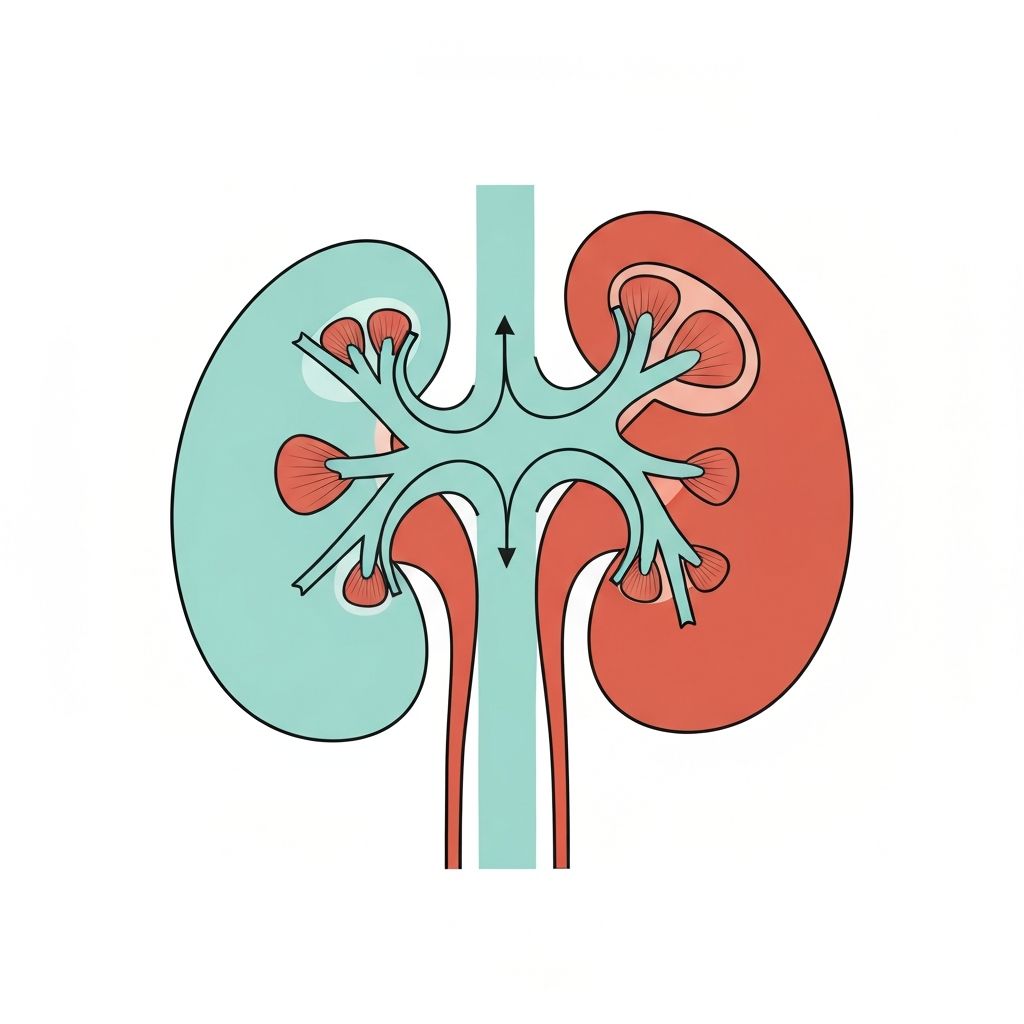
Kidney physiology and fluid filtration

Role of Sodium-Potassium Balance

The distribution of sodium and potassium ions is fundamental to cellular function and fluid dynamics. Sodium concentration in extracellular fluid influences water movement across cell membranes through osmotic gradients. Potassium, predominantly an intracellular ion, plays a critical role in maintaining cell volume and electrical potential. The sodium-potassium pump actively transports these ions against concentration gradients, consuming approximately 20-30% of the body's resting energy.

Electrolyte Influence on Water Distribution

When dietary sodium intake increases, osmolarity of extracellular fluid rises transiently. This osmotic gradient promotes water movement from intracellular to extracellular compartments, increasing blood volume and potentially contributing to temporary fluid accumulation in tissues. The body typically responds through increased aldosterone secretion, promoting sodium and water reabsorption in renal collecting ducts. Conversely, potassium depletion can reduce cellular volume and influence sodium reabsorption patterns, demonstrating the interdependence of these electrolytes in maintaining homeostasis.

Hormonal Control of Water Reabsorption

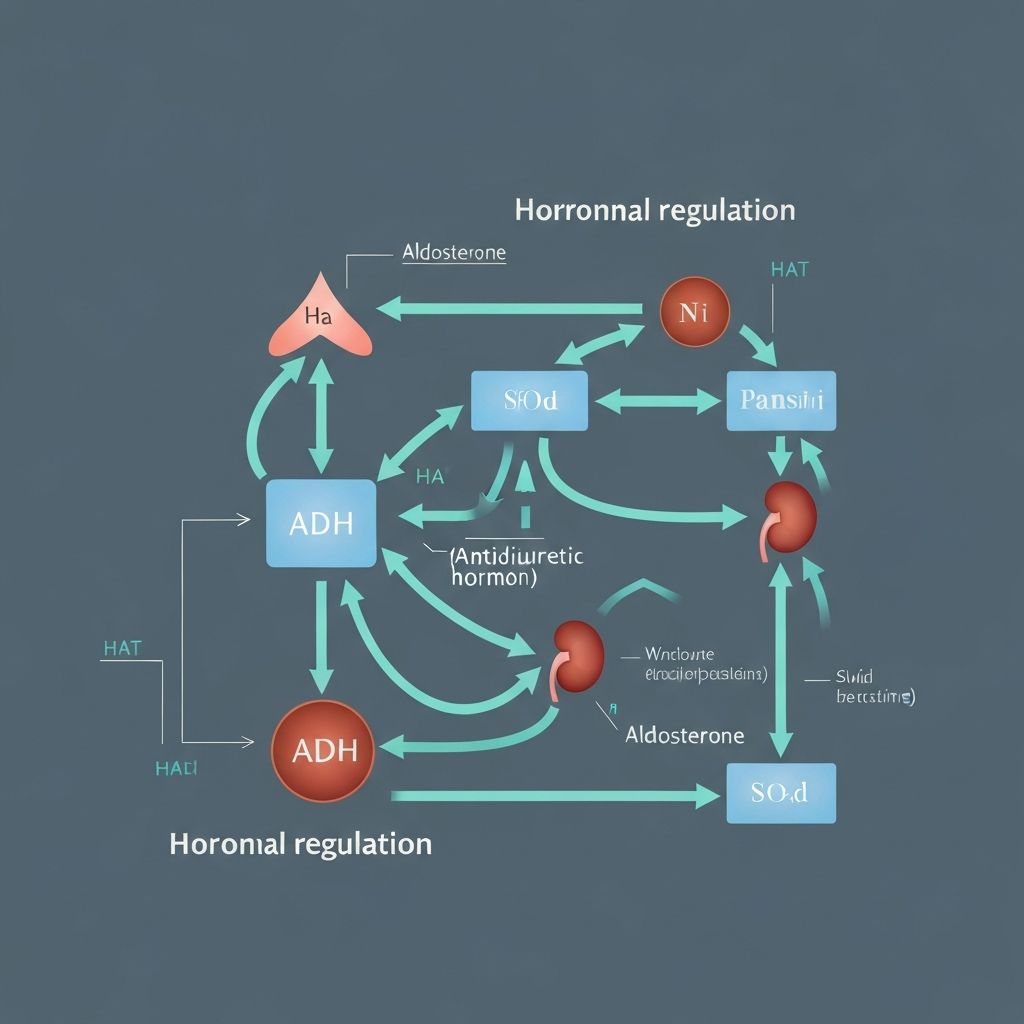
Two primary hormones regulate renal water handling: antidiuretic hormone (ADH) and aldosterone. These hormones coordinate responses to osmotic and volume changes, ensuring precise fluid balance.

Hormone Stimulus Primary Action Effect on Fluid Retention
ADH (Vasopressin) Increased plasma osmolarity, decreased blood volume Increases aquaporin-2 channels in collecting ducts Enhanced water reabsorption, concentrated urine
Aldosterone Decreased blood pressure, increased potassium, angiotensin II Increases sodium reabsorption in collecting ducts Water follows sodium osmotically, expanded extracellular volume
Atrial Natriuretic Peptide (ANP) Increased atrial stretch from volume expansion Decreases sodium and water reabsorption Increased urinary sodium and water excretion
Hormonal regulation pathways showing ADH and aldosterone

Gastrointestinal Gas Production Factors

Abdominal distension frequently results from gas accumulation in the gastrointestinal tract. Gas originates from two main sources: swallowed air and bacterial fermentation of dietary carbohydrates.

Mechanisms of Gas Formation

Swallowed air (aerophagia) contributes to intraluminal gas volume during eating, drinking, and chewing. Normal swallowing introduces small air volumes; however, rapid eating, carbonated beverages, or excessive chewing gum can increase aerophagia.

Bacterial fermentation occurs when undigested carbohydrates reach the colon. Colonic bacteria metabolize these substrates through anaerobic pathways, producing short-chain fatty acids (acetate, propionate, butyrate) and gases (hydrogen, methane, carbon dioxide). The volume and composition of gas depend on the type of carbohydrate, bacterial composition, and intestinal transit time.

FODMAPs and Fermentable Substrates

FODMAP stands for Fermentable Oligosaccharides, Disaccharides, Monosaccharides, And Polyols. These carbohydrate classes have low intestinal absorption rates and high colonic fermentability, making them significant contributors to gas production in individuals with heightened sensitivity.

Fermentable Carbohydrate Categories

Oligosaccharides (wheat, rye, legumes): Fructans and galacto-oligosaccharides resist small intestinal digestion.

Disaccharides (lactose in dairy): Requires lactase enzyme; insufficient lactase leads to colonic fermentation.

Excess fructose (fruits, honey, high-fructose products): Absorption capacity is limited, especially when consumed with glucose.

Polyols (sugar alcohols, stone fruits): Sorbitol, xylitol, and mannitol are poorly absorbed and osmotically active.

Individual bacterial microbiota composition influences fermentation patterns. Some individuals produce predominantly hydrogen, others methane, and some carbon dioxide. This variability explains why identical foods trigger varying responses across individuals.

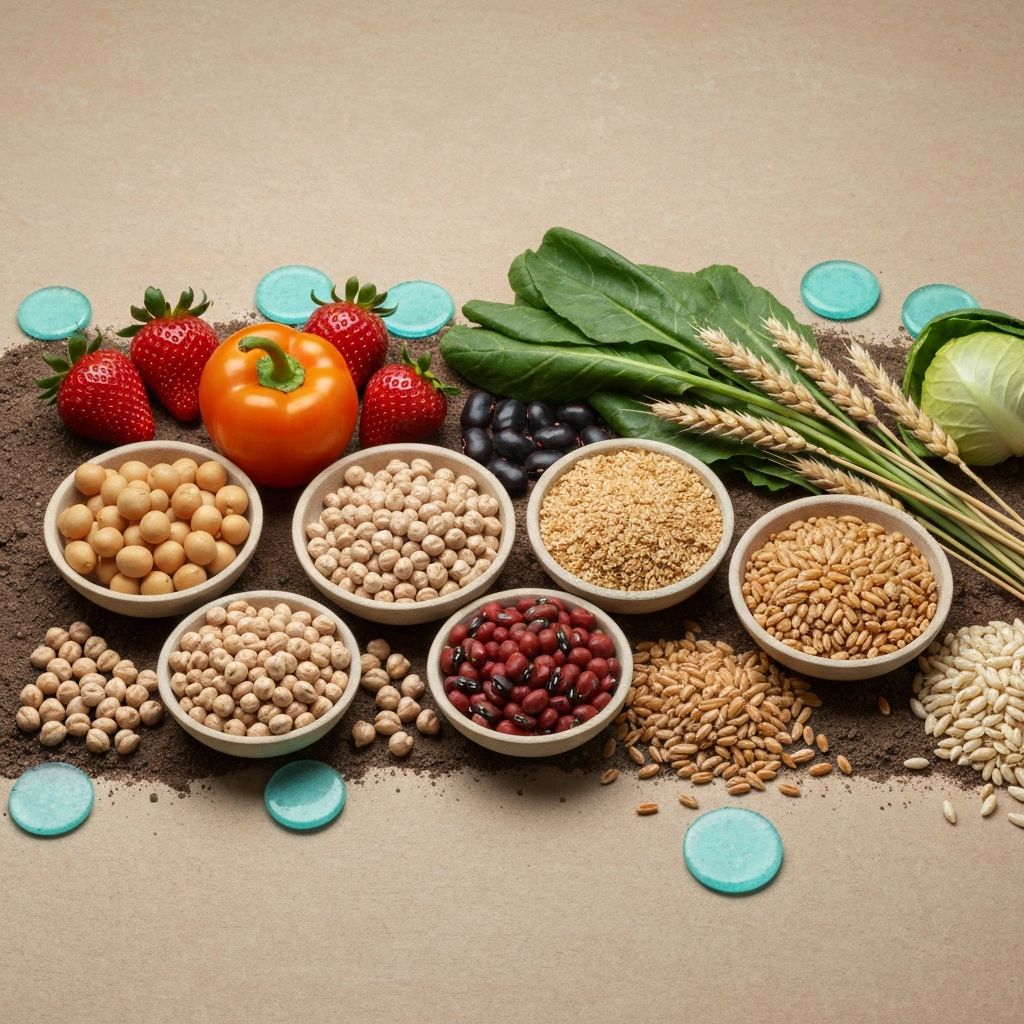
Natural foods - vegetables, fruits, legumes

Postural and Circulatory Influences

Body position affects fluid distribution and perception of abdominal distension. When upright, gravity promotes blood and fluid movement toward the lower extremities. The abdomen may appear less distended in standing positions compared to recumbent positions due to gravitational redistribution of intestinal contents and fluid.

Positional Effects

Lying flat allows abdominal contents to redistribute more evenly, potentially increasing perceived distension. Prolonged horizontal positioning can promote sodium and water retention due to reduced gravitational influence on renal hemodynamics. Additionally, certain positions may increase intra-abdominal pressure or alter blood flow to the gastrointestinal tract, affecting motility and gas clearance. Individual perception of distension may vary based on abdominal muscle tone, body composition, and visceral sensitivity.

Menstrual Cycle and Hormonal Fluctuations

The menstrual cycle involves significant hormonal fluctuations that influence fluid retention patterns in individuals with menstruating reproductive systems. These changes affect both water balance and gastrointestinal function.

Hormonal Effects on Fluid Distribution

During the follicular phase (Days 1-14), estrogen levels rise gradually. Estrogen promotes sodium reabsorption in renal tubules, enhancing water retention as estrogen levels peak at ovulation.

The luteal phase (Days 15-28) is characterized by elevated progesterone. Progesterone acts as a mineralocorticoid antagonist, opposing aldosterone and promoting sodium and water excretion. However, progesterone also increases vasopressin sensitivity, which can partially offset this natriuretic effect.

Research demonstrates that perceived abdominal distension often peaks during the luteal phase, coinciding with increased fluid retention in subcutaneous tissues and potentially altered gastrointestinal transit. Additionally, progesterone influences visceral pain sensitivity and gastrointestinal motility, contributing to varied experiences of distension across the cycle.

Hormonal fluctuations during menstrual cycle

Inflammatory and Digestive Sensitivity

Gastrointestinal sensitivity and inflammatory responses significantly contribute to perceived distension. Even modest gas volumes can trigger distension sensations in individuals with heightened visceral sensitivity.

Sensitivity Mechanisms

Visceral hypersensitivity refers to heightened responsiveness of gastrointestinal sensory neurons to mechanical and chemical stimuli. Individuals with increased sensitivity perceive smaller gas volumes as more distressing. This heightened sensation involves altered pain signal transmission and central nervous system processing.

Low-grade inflammation can increase intestinal permeability and activate immune responses, potentiating sensory neuron activation. Gut dysbiosis (altered bacterial composition) may promote inflammatory mediator production, contributing to heightened sensitivity.

Gut-brain axis signaling influences how the central nervous system interprets gastrointestinal signals. Psychological stress, anxiety, and mood states can modulate visceral perception, increasing distension awareness and discomfort despite unchanged gas volume.

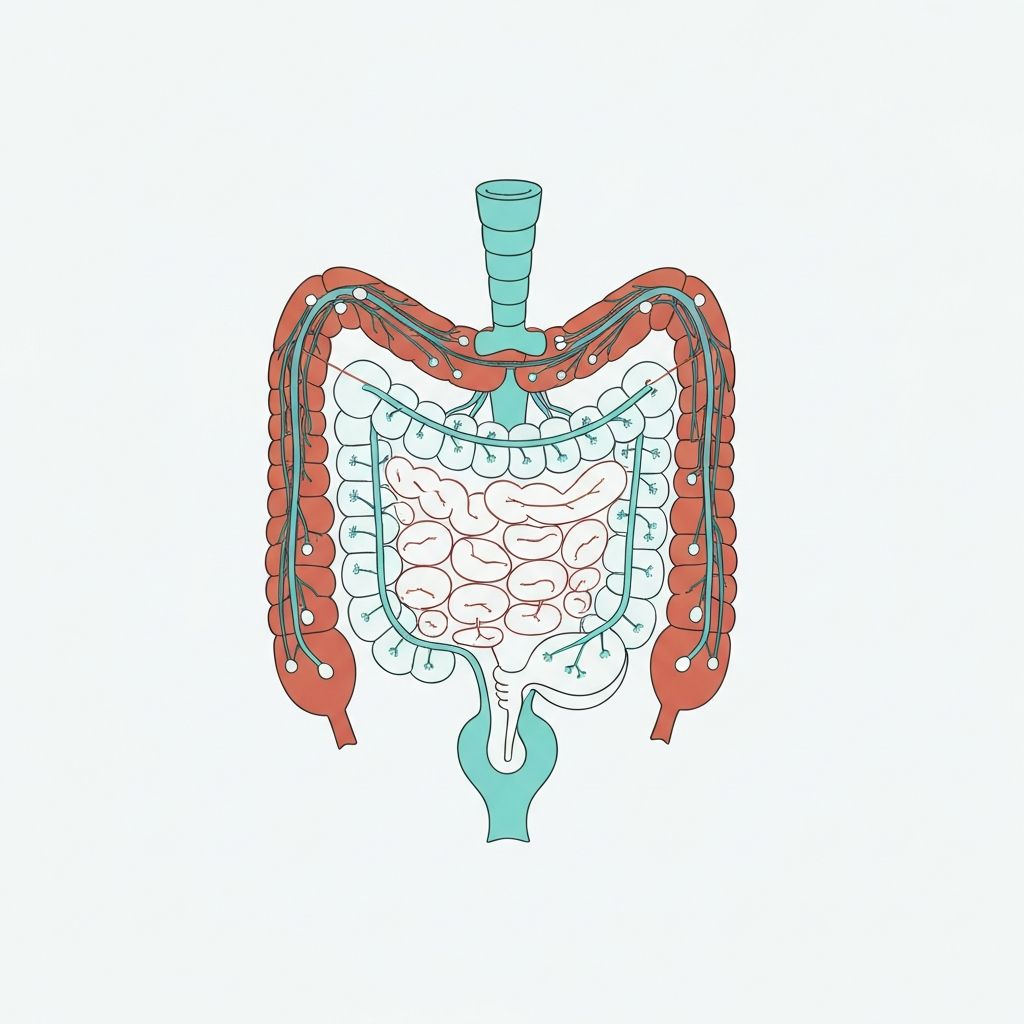
Digestive tract sensitivity and neural pathways

Links to Detailed Articles

Explore in-depth investigations of specific physiological systems and mechanisms underlying fluid retention and gastrointestinal distension.

Renal Regulation of Fluid and Electrolyte Balance

Comprehensive overview of kidney physiology, glomerular filtration, tubular reabsorption, and hormonal regulation.

Read the detailed physiological overview →

Hormonal Pathways in Water Retention

Deep dive into ADH, aldosterone, ANP, and other hormonal systems controlling water and electrolyte balance.

Learn more about fluid regulation →

Fermentable Carbohydrates and Intestinal Gas Formation

Scientific background on FODMAP categories, bacterial fermentation patterns, and gas production mechanisms.

Explore gastrointestinal distension concepts →

Menstrual Cycle Effects on Fluid Distribution

Investigation of estrogen and progesterone effects on sodium-water balance and perceived distension patterns.

Continue to related topics →

Postural Influences on Perceived Abdominal Distension

Analysis of gravitational effects on fluid distribution, blood flow changes, and positional impacts on sensation.

Continue to related topics →

Variability in Gastrointestinal Sensitivity Across Individuals

Research examination of individual differences in visceral sensitivity, microbiota composition, and response patterns.

Continue to related topics →

Common Research Observations

Scientific research consistently demonstrates significant individual variability in responses to fluid and gas-inducing stimuli. What causes noticeable distension in one individual may have minimal effect in another, reflecting differences in:

  • Microbiota composition: Bacterial species and their fermentative capacity differ substantially between individuals.
  • Enzyme activity: Individual variations in lactase, fructose transporters, and other digestive enzymes affect substrate handling.
  • Gastrointestinal motor function: Transit time and gas clearance patterns vary based on muscle tone and nervous system function.
  • Visceral sensitivity: Sensory neuron responsiveness varies dramatically across the population.
  • Hormonal status: Menstrual cycle phase, thyroid function, and cortisol patterns influence fluid regulation.
  • Psychological factors: Stress, anxiety, and mood significantly modulate perception of gastrointestinal sensations.
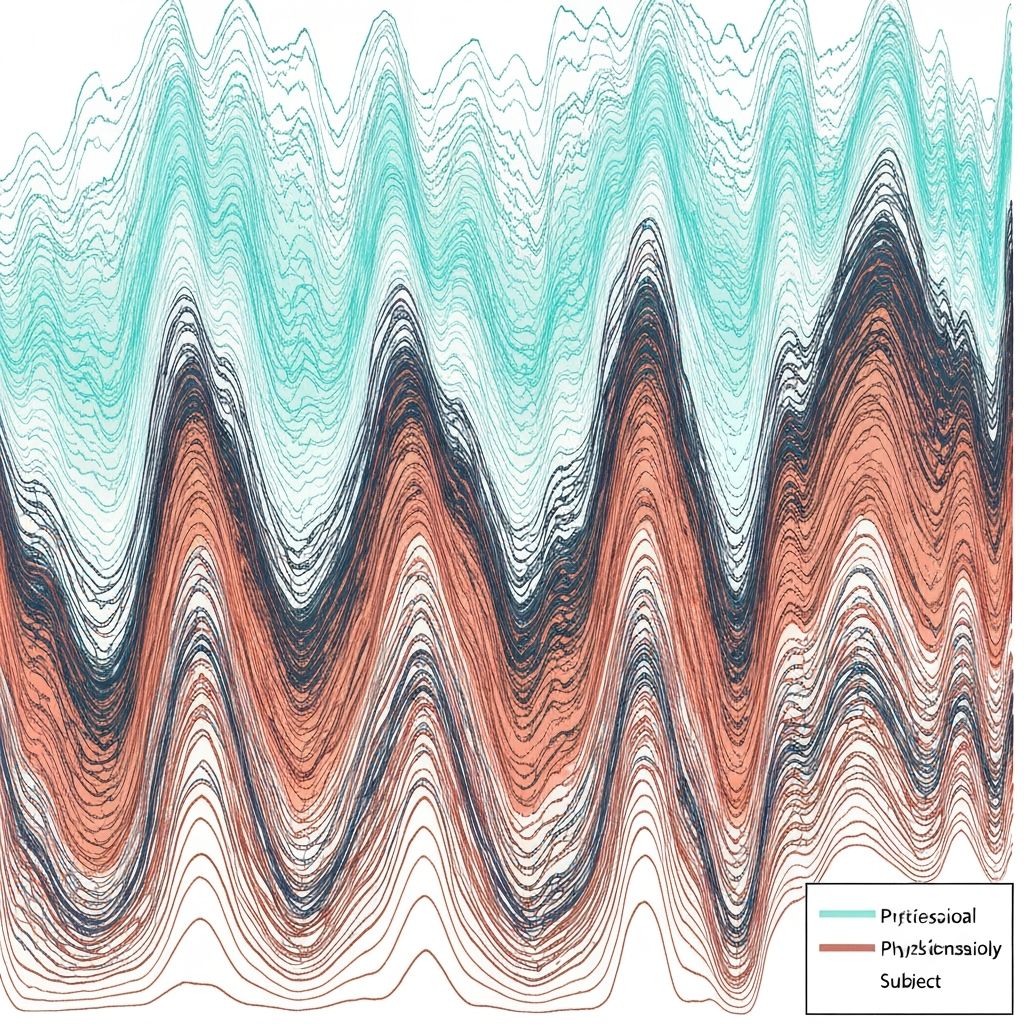
Research variability patterns visualization

Frequently Asked Questions

What is the difference between bloating and abdominal distension?

Bloating typically refers to the subjective feeling of fullness or tightness, while abdominal distension describes measurable increase in abdominal girth. A person may experience bloating without visible distension, or conversely, have measurable distension with minimal sensation. This distinction is important in research, as objective measurements and subjective experiences do not always correlate.

How long does fluid retention typically last?

Duration varies significantly based on the underlying cause. Temporary fluid retention from increased sodium intake typically resolves within 24-72 hours as homeostatic mechanisms normalize electrolyte balance. Hormonal-related fluid changes during the menstrual cycle persist until the phase changes. Individual recovery rates depend on kidney function, hydration status, physical activity, and metabolic factors.

Does abdominal gas volume directly correlate with distension sensation?

Research demonstrates weak to moderate correlation between objective gas volume and subjective distension sensation. Individuals with heightened visceral sensitivity perceive gas volumes as more distressing, while others with similar gas volumes report minimal discomfort. Central nervous system processing, gut-brain axis signaling, and psychological state significantly influence the relationship between gas volume and perception.

How do hormones specifically affect water retention?

Hormones regulate water balance primarily through renal effects. ADH increases aquaporin expression in collecting ducts, enhancing water reabsorption. Aldosterone promotes sodium reabsorption, and water follows osmotically. Estrogen enhances sodium reabsorption, promoting fluid retention. Progesterone and ANP oppose these effects. During the menstrual cycle, fluctuating estrogen and progesterone produce predictable changes in fluid balance, though individual responses vary significantly.

What role does individual microbiota composition play in gas production?

Gut bacterial composition fundamentally determines fermentative patterns. Different bacterial species possess varying enzymatic capabilities, favoring fermentation of specific carbohydrate types. Some microbiota compositions produce primarily hydrogen gas, others methane, or carbon dioxide. These differences explain why identical foods produce different gas volumes and compositions across individuals. Microbiota composition is influenced by genetics, diet history, antibiotic use, and illness.

How does body position influence abdominal distension?

Gravity affects fluid and gas distribution. Upright posture promotes gravitational movement of abdominal contents, potentially reducing perceived distension. Horizontal positioning allows more even distribution, potentially increasing sensation. Additionally, lying flat reduces gravitational influence on renal blood flow, potentially promoting sodium and water reabsorption. Position-dependent perception reflects individual abdominal muscle tone, body composition, and visceral sensitivity.

Explore Further

Fluid and electrolyte balance represents one of the body's most sophisticated regulatory systems. Understanding these physiological mechanisms provides valuable context for everyday experiences of fluid retention and gastrointestinal sensations. Scientific research continues to reveal new insights into individual variability and the complex interactions between multiple regulatory systems.

Explore Physiological Fluid Dynamics Further

Educational content only. No promises of outcomes.